
Twice a year, when the clocks change.
Why the basement and garage
A lot of homes in the South Hills are older, with basements that hold the furnace, the water heater, the laundry, the freezer and every box nobody unpacked. Garages hold gas cans, paint and the second fridge. Those are the rooms where small problems grow without anyone seeing them.
The easiest habit is a walk-through twice a year, when the clocks change. It takes about thirty minutes.
Alarms first
- Press the test button on every smoke alarm, including the one at the bottom of the basement stairs.
- If your alarms are hardwired, consider a First Alert Hardwire Smoke Alarm that interconnects, so a basement alarm sounds upstairs too.
- Older wiring and busy outlets are worth watching. An Electrical Fire Prevention Sensor plugs in and warns about overheating before it turns into smoke.
Put the right tools in reach
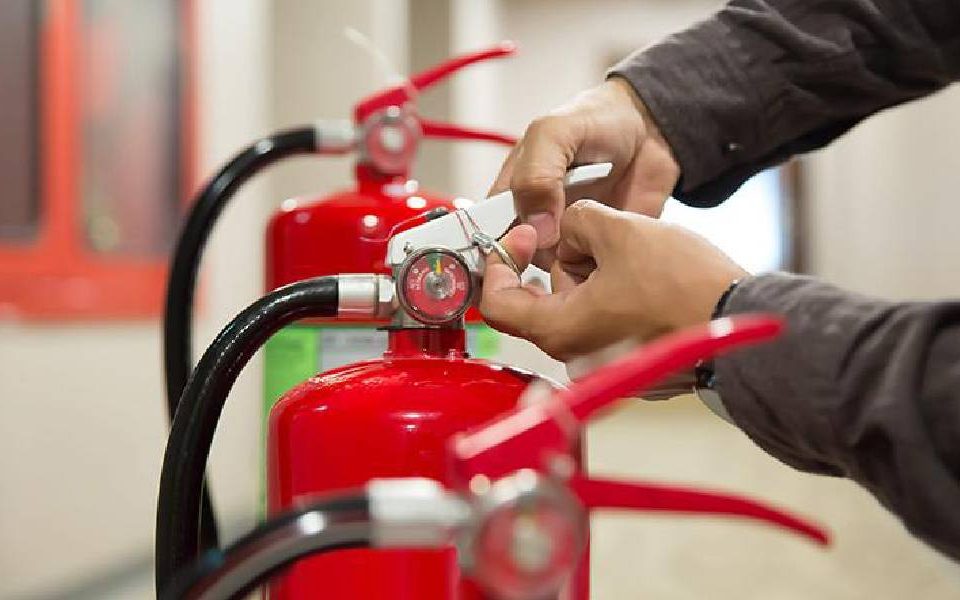
Every floor should have a way to stop a small fire. A Dry Chemical Fire Extinguisher rated for A, B and C fires belongs near the garage door and another near the kitchen. Check that the gauge needle sits in the green. Hang a Prepared Hero Emergency Fire Blanket beside the stove for pan fires.
Upstairs bedrooms need a second way out. A Kidde Fire Escape Ladder folds flat under a bed and hooks over most window sills.
Heaters and cords
Space heaters keep a cold basement office usable in January, but they need room. Keep three feet of clear space around them, plug them straight into the wall rather than a power strip and choose one with tip-over and overheat shutoff, like this Portable Heater Space Heaters for Indoor.